
Termite Swarmers in the House: What to Do in the First 24 Hours
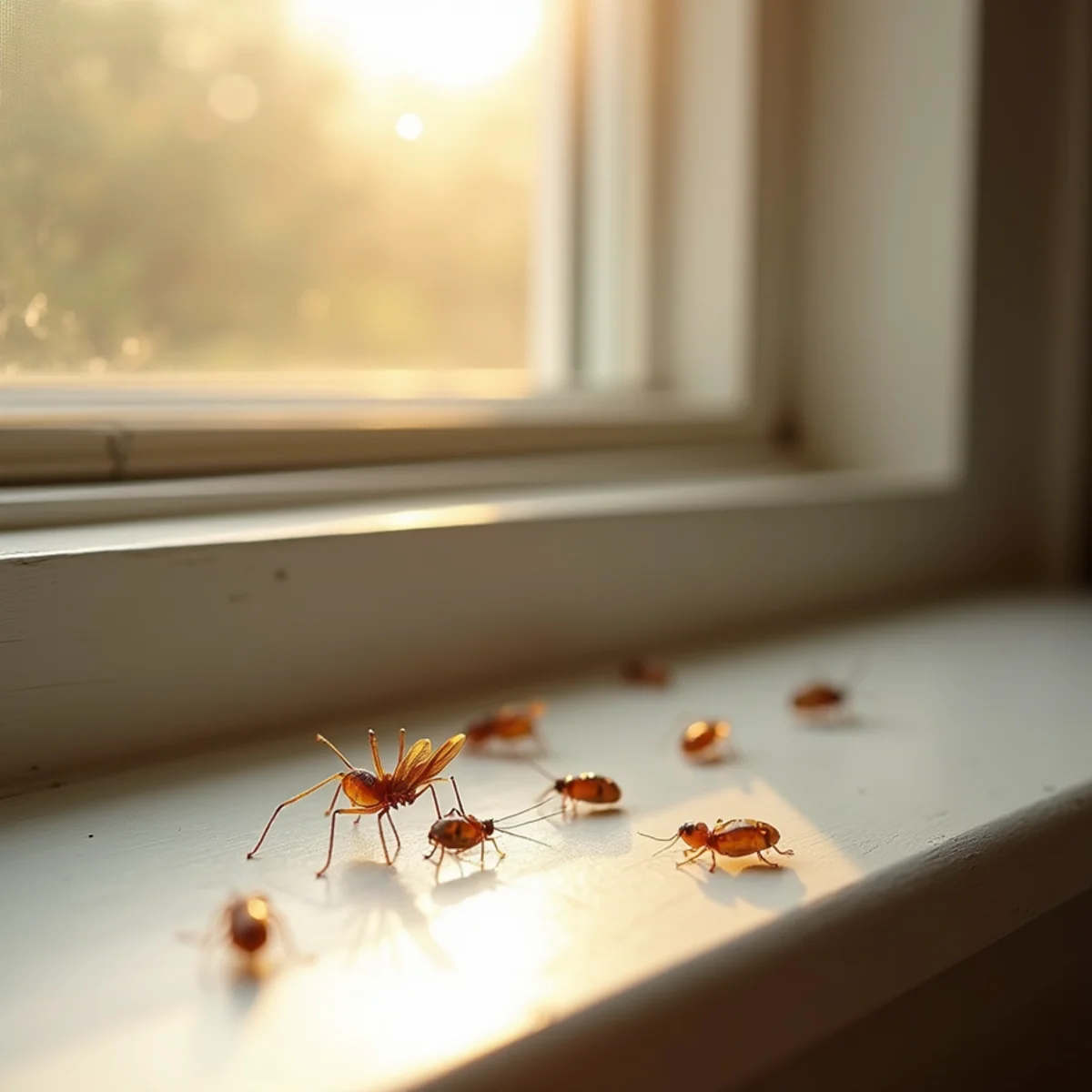
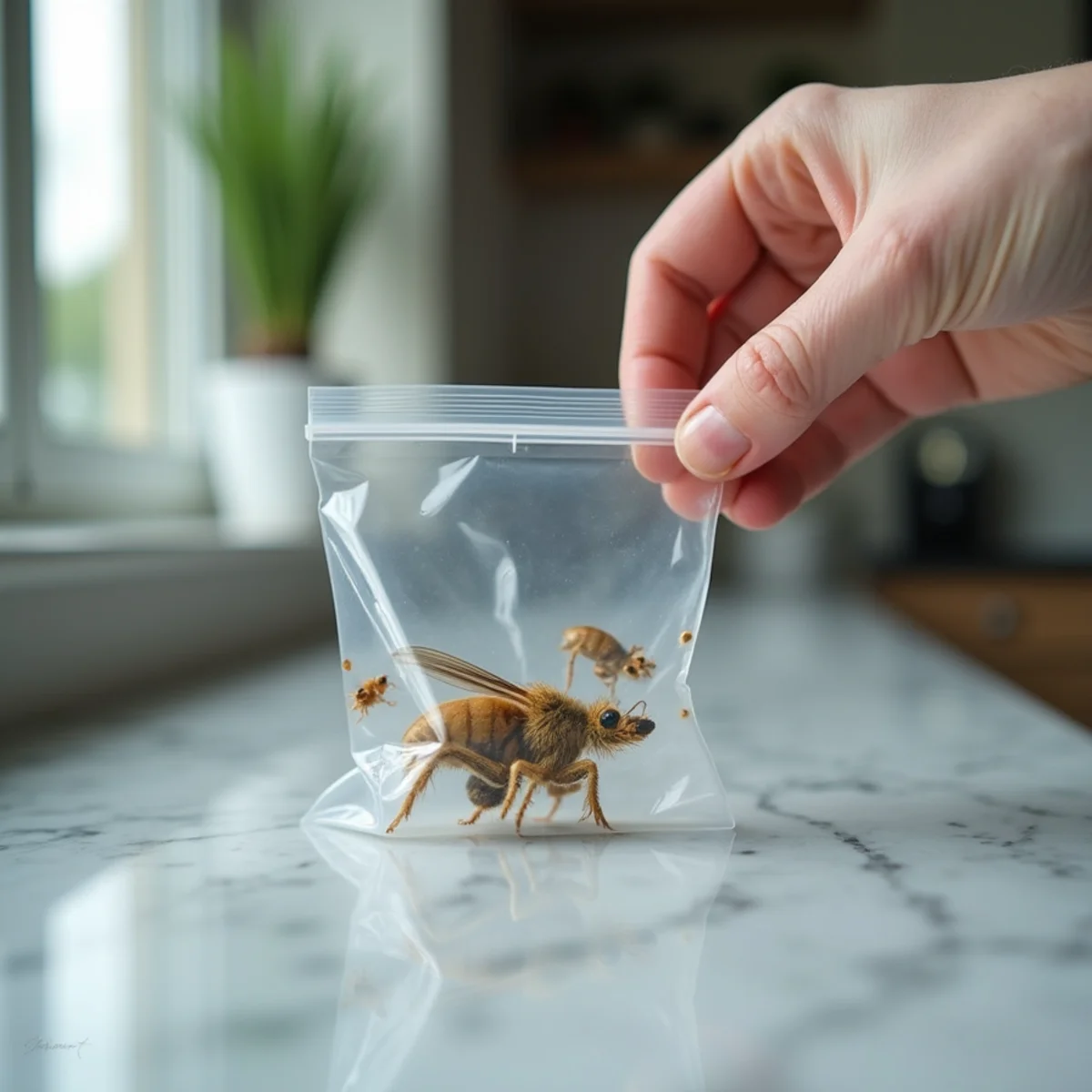
If you find termite swarmers inside your home, do not spray them with retail insecticide or disturb baseboards. Vacuum the visible swarmers, save several intact specimens in a sealed plastic bag for species identification, inspect exterior foundation weep holes for mud tubes, and schedule a professional structural termite inspection within 24 to 48 hours.
Step 1: Don't Panic and Don't Grab the Bug Spray
Seeing dozens or hundreds of winged bugs fluttering around indoor light fixtures or shedding translucent wings on window sills is deeply unsettling. However, it is essential to understand that termite swarmers (alates) cannot bite, sting, or consume wood. Swarmers are the reproductive caste produced by mature colonies (typically 3 to 6 years old) with a singular biological directive: leave the parent nest, mate, and search for moist soil to establish a new subterranean colony.
Reaching for a can of aerosol bug spray is the single most common mistake Texas homeowners make. Household insecticides contain synthetic pyrethroids that act as volatile repellents. While spraying will kill the flying swarmers in front of you—insects that would have died within hours anyway due to indoor dehydration—the airborne repellent chemicals penetrate wall voids, alerting the 500,000+ underground worker termites. The workers will immediately seal off access tubes and retreat deeper into framing studs, making it far more challenging for a licensed inspector to pinpoint the exact structural entry point.
Step 2: Collect Physical Evidence for Identification
Before taking remedial action, you must verify whether you are dealing with native subterranean termites, aggressive Formosan termites, or harmless winged carpenter ants. Winged carpenter ants also swarm during warm, humid Texas spring days, yet their structural implications and treatment protocols are completely different.
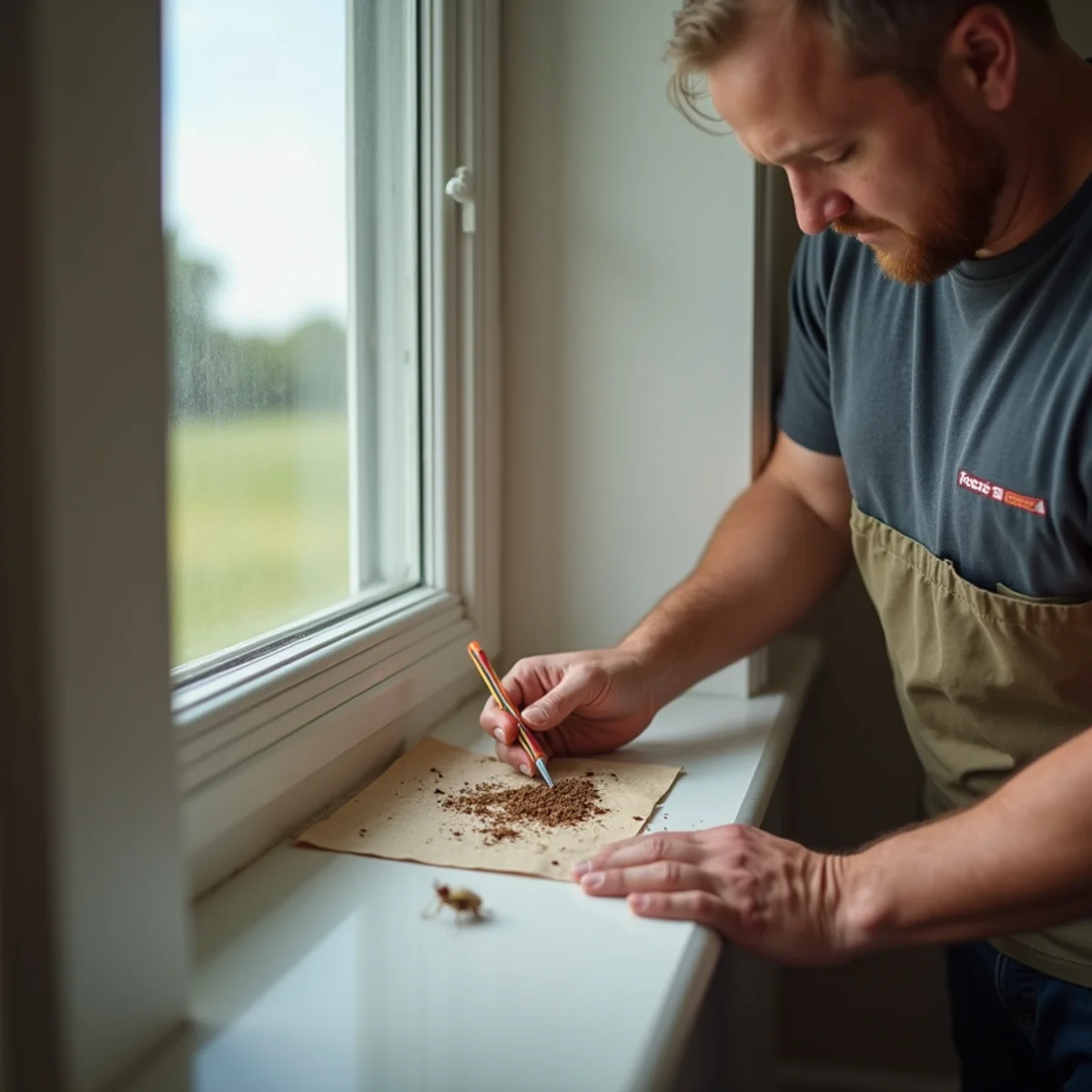
Use a vacuum cleaner with a hose attachment to clean up dead swarmers and loose wings scattered on window sills, carpeting, or tile floors. Before discarding the vacuum debris, gently collect 5 to 10 intact insect specimens and place them inside a clear Ziploc sandwich bag with a slightly damp paper towel, or in a small container of rubbing alcohol. A licensed pest management professional will examine these specimens under 10x optical magnification to analyze antenna structure, waistline anatomy, and wing venation.
- Termite Swarmers: Straight, bead-like antennae; broad, uniform waist with zero constriction; two pairs of smoky translucent wings of identical length, twice the length of the body.
- Winged Carpenter Ants: Elbowed (bent) antennae; distinctly pinched, narrow hourglass waistline; front wings noticeably larger and longer than back wings with prominent dark veins.
- Shed Wings Clue: If you find piles of shed wings with very few bodies, they are almost certainly termites, as alates intentionally break off their wings within minutes of landing.
Need Immediate Guidance for Your Home?
Our local Humble coordination team is ready to answer questions and schedule on-site evaluations.
Step 3: Inspect the Room and Exterior Foundation Slab

Once specimens are secured, grab a high-lumen flashlight and inspect the room where the swarmers were concentrated. Subterranean termites construct small, pinhole-sized emergence slits in drywall, baseboards, or ceiling joints to allow swarmers to escape into the open air. Look closely along the top of baseboards, crown molding, door casings, and electrical switch plates for tiny holes plugged with dark, moist mud.
Next, walk outside to inspect the exterior concrete foundation beam directly beneath and adjacent to that room. Subterranean termites require continuous soil moisture and build mud shelter tubes (exploratory tunnels made of soil, saliva, and fecal matter) to travel from underground colonies across exposed concrete into brick weep holes. In Humble, Kingwood, and Atascocita, thick landscape mulch beds, pine straw, and overgrown shrubs frequently bridge the slab edge, concealing mud tubes from casual view.
Step 4: Subterranean vs. Formosan Termites in Harris County
Northeast Harris County is a confirmed hotspot for two distinct subterranean termite species, each presenting unique structural risks that dictate treatment methodology:
Eastern Subterranean Termites (Reticulitermes flavipes): Our most common native species. Swarms typically occur during bright, sunny mornings in February, March, and April following heavy spring rains. Colonies average 250,000 to 500,000 workers and forage from ground level upward.
Formosan Subterranean Termites (Coptotermes formosanus): An invasive 'super-termite' with colonies exceeding 2 to 4 million individuals. Formosans swarm in massive twilight or nighttime clouds from May through July, heavily drawn to outdoor porch lights and illuminated windows. Crucially, Formosan termites can construct above-ground aerial nests (carton nests) inside wall voids without requiring soil contact, causing structural damage up to five times faster than native termites.
Step 5: Professional Treatment Options: Liquid Trenching vs. Baiting

Finding swarmers inside an enclosed living space confirms that an established subterranean colony is actively feeding beneath your concrete slab or within wall framing. Eradication requires professional-grade chemistry that targets the underground queen:
Liquid Non-Repellent Chemical Barriers (e.g., Termidor SC / Fipronil): Technicians dig a continuous shallow trench around the exterior foundation beam, rod chemical into the soil, and precision-drill attached concrete porches, carports, and interior bath traps. Worker termites cannot detect the chemistry, walk through the treated zone, and passively transfer the active ingredient back to the colony through mutual grooming (trophallaxis), eradicating the queen and entire colony within 60 to 90 days.
In-Ground Termite Baiting Systems (e.g., Sentricon): Tamper-resistant bait stations containing noviflumuron—a chitin synthesis inhibitor—are installed flush with turf at 10-foot intervals around the home perimeter. Foraging termites feed on the cellulose bait and share it with nestmates, halting their ability to molt and collapsing the colony over several months while providing continuous 365-day monitoring.
Step 6: What to Do While Waiting for Your Inspection
While awaiting your scheduled structural evaluation with a licensed Texas applicator, take these precautionary protective measures:
Do not pry off baseboards or tear into sheetrock. Exposing the active feeding galleries causes termites to seal that section and relocate to a different structural timber, complicating inspection mapping.
Mark the emergence location with a piece of blue painter's tape on the wall or baseboard so your technician can immediately identify the epicenter.
Move pine straw mulch, stacked firewood, and potted plants at least 12 inches away from the foundation wall to expose the concrete inspection band.